

Servicing the Suburbs of Melbourne
Located on North Road Huntingdale, South Eastern suburb of Melbourne (Approx 16km from the CBD),
We reside between Chadstone Shopping centre and Monash University (Clayton Campus).
If you've never rented a storage unit before, the whole idea can feel a bit abstract. You picture a garage somewhere, hand over some cash, and hope for the best. In reality, self-storage in Melbourne is a straightforward, well-regulated industry — but there's a fair bit worth knowing before you sign anything. This guide walks through exactly how it works, what it costs, what you can and can't store, and how to pick the right facility for your situation.
self-storage is exactly what it sounds like: you rent a private, lockable space to keep your belongings, and you control access to it. Unlike a removalist storage service where someone else handles your items, with self-storage you're the one loading, unloading, and organising the unit.
Melburnians use it for all sorts of reasons. Some are between homes and need somewhere to park their furniture for a few weeks. Others are mid-renovation and need to clear a room without dragging everything to a relative's garage. Small business owners use it for stock, tools, or archived paperwork. University students heading home over summer often store their gear rather than lug it interstate. And plenty of people simply have more stuff than their apartment can handle and need breathing room.
The common thread is flexibility — you're paying for space and access, not a service, which tends to make it cheaper and more convenient than the alternatives.
The process is far less complicated than people expect.
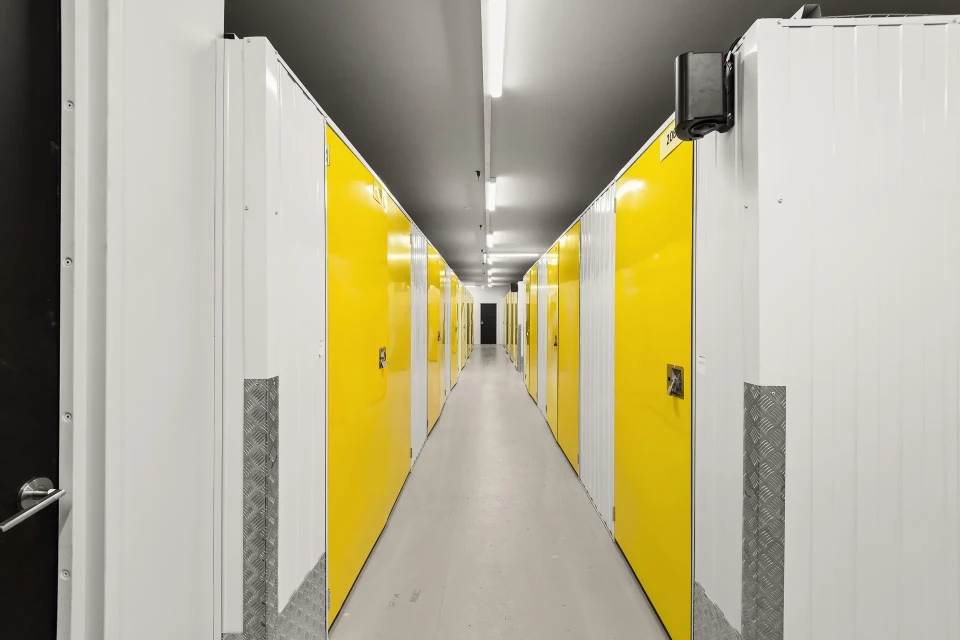
1. You enquire and choose a unit size. Most facilities let you book online or over the phone. You'll be asked roughly what you're storing, and staff will usually recommend a unit size based on that.
2. You sign a licence agreement. This isn't a residential tenancy lease — it's a storage licence, which is a different legal arrangement. You'll need photo ID, and you'll agree to terms covering payment, access, and what you're allowed to store.
3. You pay a bond and first period of rent. Bonds are common but not universal — check before you commit.
4. You get an access code or key. Most modern facilities use a personal PIN for the gate and sometimes for the unit itself.
5. You move your items in. You load the unit yourself, typically during the facility's access hours, though some Melbourne facilities offer 24-hour access for an extra fee.
6. You pay ongoing rent, usually monthly, either by direct debit or manually.
That's genuinely the whole process. There's no inspection, no real estate agent, and no long-term commitment unless you choose one.
Not all storage is created equal, and knowing the difference will save you money and hassle.
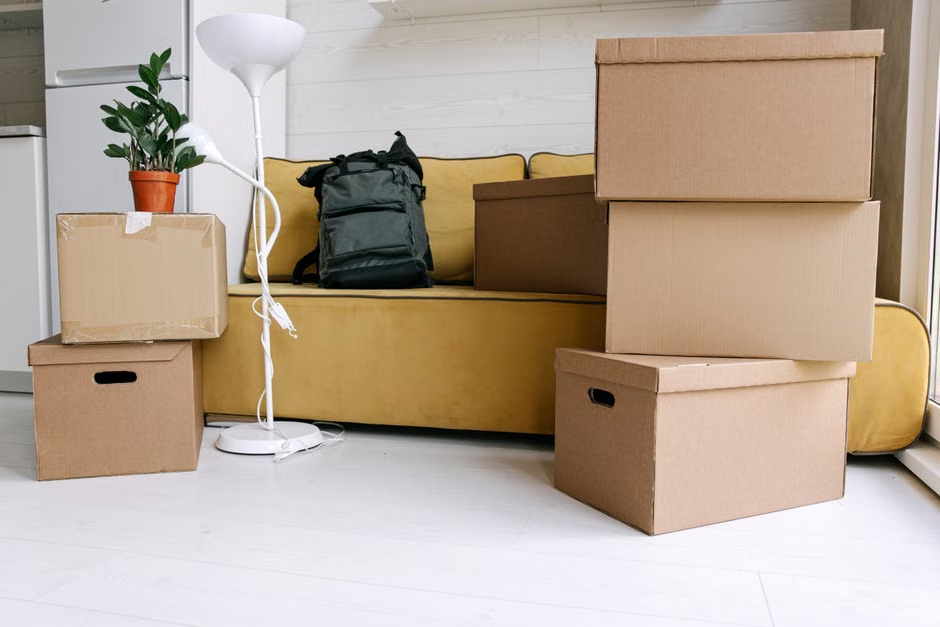
This is where most first-timers get it wrong — usually by underestimating how much space furniture actually takes up once it's stacked.
As a rough guide:
Most facilities will let you view an empty unit before booking, and staff are generally happy to help you estimate based on what you're moving. It's worth sizing up slightly rather than squeezing everything in — you'll want room to actually walk in and find things later.
Pricing varies significantly depending on location, unit size, and features, but as a general guide:
Inner-city facilities (think Richmond, South Melbourne, or Collingwood) tend to charge more than outer suburban ones, purely due to land costs. Climate control typically adds a premium of 10–20%.
Watch out for a few things that catch people off guard:
Always ask for the full, all-inclusive monthly cost before signing — the advertised "from" price is often just the smallest unit.
Reputable Melbourne facilities generally offer:
It's reasonable to ask a facility directly about their security setup before booking — how footage is monitored, whether the site is staffed, and what happens if there's a break-in. Most will happily walk you through it, and a facility that's cagey about the details is worth being cautious of.
Australian self-storage facilities are legally required to prohibit certain items, and most storage licence agreements will list these explicitly. Commonly restricted or banned items include:
If you're unsure whether something is allowed, ask the facility directly before you turn up with a full trailer.
A well-packed unit is easier to manage and protects your belongings better.
Given Melbourne's humidity swings between seasons, climate control is genuinely worth considering for wooden furniture, electronics, photographs, or musical instruments if you're storing long-term.

Access arrangements vary by facility. Many offer standard access hours (commonly something like 6am–9pm or 7am–7pm), while some provide 24-hour access, either as standard or as a paid add-on. If you'll need to get to your belongings outside business hours — say, for a business that operates early mornings — check this before booking, as not every facility accommodates it.
Here's something people frequently misunderstand: the facility's own insurance, if they have any, typically only covers the building itself — not your belongings.
Most facilities will require you to have contents insurance for whatever you're storing, either through:
Before assuming you're covered, actually read the product disclosure statement. Home insurance policies often have exclusions or caps for goods stored off-premises, so it's worth a phone call to your insurer to confirm before you rely on it.
Storage agreements in Victoria fall under general contract law and the Australian Consumer Law, rather than residential tenancy legislation — your storage unit isn't a "home" in a legal sense, so different protections apply.
Key things to check in any agreement:
If a dispute arises, Consumer Affairs Victoria is the relevant body for guidance, and most reputable facilities are members of industry bodies that require adherence to fair trading standards.
A quick checklist before you commit:
Storage needs and pricing shift depending on where in Melbourne you're looking. Inner suburbs tend to favour smaller, climate-controlled indoor units aimed at apartment dwellers and downsizers, while outer and regional facilities often cater more to vehicle, caravan, and boat storage given larger property sizes and hobbies in those areas. It's worth comparing at least two or three facilities within a reasonable radius, since pricing and unit availability can vary more than people expect even a few suburbs apart.
Can I access my unit any time I want?
Only if the facility offers 24-hour access, either as standard or as an add-on. Otherwise, you're limited to their stated access hours.
Do I need to bring my own lock?
Sometimes. Many facilities require you to purchase a compatible disc lock from them for security reasons, so check before bringing your own.
Is my stuff automatically insured?
No. You'll almost always need separate contents insurance, whether through your own provider or one offered by the facility.
How much notice do I need to give to leave?
This varies by facility but is typically somewhere between one week and one month — always confirm before signing.
Can I store a car or motorbike?
Yes, many Melbourne facilities offer dedicated vehicle storage bays, though not every site has them — check availability if this is what you need.
What happens if I fall behind on payments?
You'll typically be contacted first, with a grace period before any restriction of access. Facilities must follow legislated notice requirements before they can auction or dispose of goods for unpaid rent.
Can businesses use self-storage instead of a warehouse?
Absolutely — it's common for small businesses to use storage units for stock, equipment, or records instead of committing to commercial warehouse leases.
Self-storage in Melbourne is a genuinely simple system once you understand the moving parts: choose the right size, understand what you're paying for, check your insurance situation, and read the contract properly before you sign. Whether you're moving house, renovating, running a business, or just need somewhere to put things you're not ready to let go of, there's a storage solution to fit almost any situation and budget.
Discover the ultimate solution for your storage needs