

Servicing the Suburbs of Melbourne
Located on North Road Huntingdale, South Eastern suburb of Melbourne (Approx 16km from the CBD),
We reside between Chadstone Shopping centre and Monash University (Clayton Campus).
Located on North Road Huntingdale, South Eastern suburb of Melbourne (Approx 16km from the CBD),
We reside between Chadstone Shopping centre and Monash University (Clayton Campus).
Family heirlooms carry stories that money cannot replace. A wedding dress worn by your grandmother in 1952, a set of silver cutlery that travelled by ship from post-war Europe, or a collection of letters written during the First World War: these items connect generations in ways that photographs alone cannot.
Yet many Australian homes lack the space or stable conditions needed to preserve them. If you are considering self-storage for family heirlooms, you need to know what separates a safe storage solution from a costly mistake. This guide covers everything from assessing your items and choosing the right facility to packing techniques, digitisation, and long-term planning.
StorageX, a Melbourne-based self-storage facility with fully climate-controlled units, offers a practical option for families who want to protect their history without sacrificing spare rooms or risking damage in garages and attics.

Australia’s climate is famously unforgiving on delicate materials. Humid summers in Sydney and Brisbane encourage mould growth on fabrics and paper, while Melbourne’s dry heat and sudden temperature drops can cause wood to crack and photographs to become brittle. Even Perth’s relatively stable Mediterranean climate brings its own challenges with dust and UV exposure.
The typical Australian home compounds these problems. Attics are uncommon in modern builds, and garages are rarely insulated against summer heat that can exceed 40 degrees Celsius. Basements, a staple of North American and European storage, are virtually non-existent in Australian residential construction. Wardrobes fill up quickly, and spare rooms often serve multiple purposes. The result is that heirlooms end up in the worst possible places: cardboard boxes on garage shelves, plastic tubs under beds, or suitcases in hot roof cavities.
The emotional cost of getting this wrong is steep. Mould-stained wedding dresses, tarnished silverware, and warped timber furniture are often beyond restoration. Self-storage for family heirlooms offers a dedicated, controlled environment that most Australian homes simply cannot provide, and for many families, it is the difference between passing down intact treasures and apologising for ruined ones.
Not every sentimental item needs a storage unit. Some things are robust enough to stay at home with basic care, while others require professional conditions to survive. A clear-eyed assessment saves money and prevents unnecessary worry.
Textiles are among the most vulnerable heirlooms. Wedding dresses, christening gowns, quilts, lace, and vintage clothing need stable humidity between 40 and 50 percent. Fluctuations cause fibres to expand and contract, weakening seams and encouraging mould. Paper items face similar risks: photographs yellow and curl, letters become illegible, and books attract silverfish in damp conditions. Climate control arrests all of these processes.
Wooden furniture and musical instruments are equally sensitive. Temperature swings cause timber to expand and contract, leading to cracks, loose joints, and warped surfaces. A grandfather clock or a cedar chest that has survived a century can be ruined in a single Australian summer stored in a garage. Silverware, jewellery, and decorative metal objects round out the list. Tarnish accelerates dramatically in humid air, and while polishing can restore some pieces, repeated cleaning wears away fine details.
Wine collections straddle the line between heirloom and investment. They require specific temperature ranges, typically 12 to 16 degrees Celsius, and correct bottle orientation to keep corks from drying out. Not all climate-controlled storage units are set up for wine, so confirm suitability with the facility. StorageX can advise on whether their units match your collection’s needs.
Firearms and ammunition fall under strict Australian legal storage requirements, and self-storage facilities may have their own policies about accepting them. Taxidermy and organic materials such as feather boas or fur stoles can attract pests without professional treatment and should be assessed by a conservator before storage. If in doubt, ask the facility manager before signing an agreement.
Choosing the right facility is the single most important decision in the heirloom storage process. Three features matter above all others: climate control, security, and accessibility.
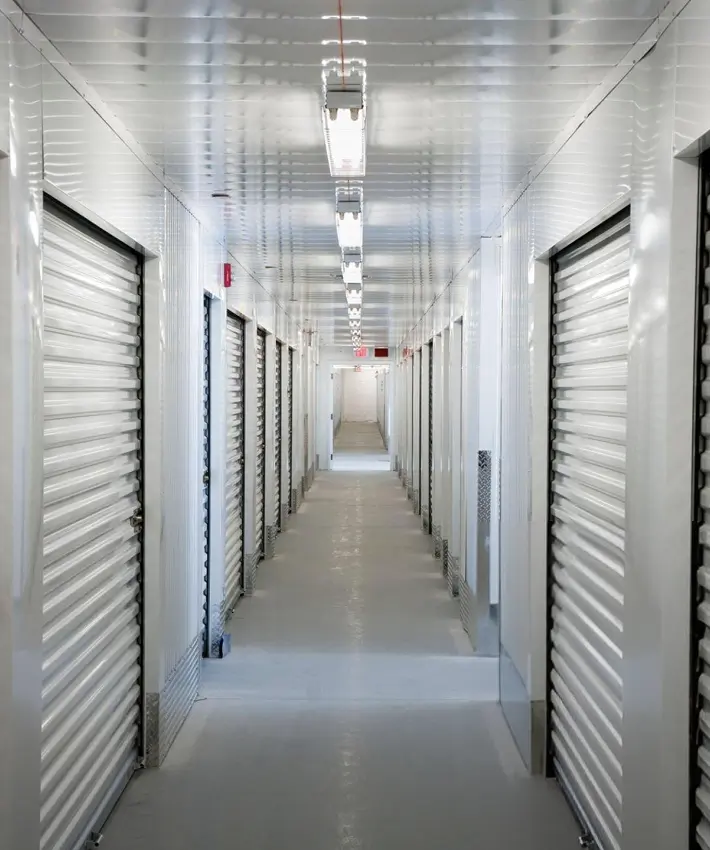
Heirlooms are irreplaceable, and security should reflect that. Look for 24/7 CCTV surveillance, electronic gated access requiring individual codes, and individually alarmed units. On-site management adds a human layer of oversight that remote facilities cannot match.
Secure perimeter fencing is standard at reputable facilities. Insurance is another critical piece: most storage facilities require proof of cover, and your home contents policy may not extend to items kept off-site. Check with your insurer or take out dedicated storage insurance through a specialist provider.
The moment you move items into storage is a moment of risk. Indoor loading areas protect furniture and boxes from rain, wind, and direct sun during transfer, a feature that matters in Melbourne where weather can turn in minutes.
Trolleys and pallet trucks should be available for heavy furniture and large boxes. Drive-up access is worth prioritising if you are storing bulky items like dining tables, sideboards, or grandfather clocks. The less you have to carry, the lower the chance of accidental damage.
Packing is where good intentions meet practical reality. Using the wrong materials can undo all the benefits of a climate-controlled unit. The goal is to create a stable micro-environment inside each box or container.
Acid-free tissue paper and archival-quality boxes are essential for photographs, documents, and textiles. Standard cardboard boxes contain acids that migrate into fabrics and paper over time, causing yellowing and brittleness. Bubble wrap and furniture blankets protect fragile items from physical damage, but avoid using newspaper as padding: the ink transfers onto surfaces and is nearly impossible to remove.
Plastic bins with tight-fitting lids work well for items vulnerable to dust and pests, but never store textiles in plastic long-term. Plastic traps moisture and encourages mildew. Instead, use breathable cotton garment bags or acid-free cardboard boxes. Silica gel packets placed inside sealed containers help control micro-humidity, but replace them every six months as they lose effectiveness.
Textiles require particular care. Have wedding dresses and quilts professionally cleaned before storage, as stains that are invisible now can oxidise and darken over time.
Wrap them in acid-free tissue, then place them in breathable cotton garment bags. Never use dry-cleaner plastic bags; they trap moisture and emit chemicals that degrade fabric.
Photographs and albums should be stored upright in archival boxes, not stacked flat, to prevent pressure damage. Interleave individual photos with acid-free paper. For silverware, use anti-tarnish cloth or paper between pieces, and avoid rubber bands and elastic fasteners, which contain sulphur that accelerates tarnishing.
Furniture needs preparation too. Remove legs and shelves where possible to reduce stress on joints. Wrap everything in furniture blankets, securing them with cotton ties rather than adhesive tape, which leaves residue. Never place furniture or boxes directly on concrete floors; use pallets to create an air gap that prevents moisture wicking.
Label every box on three sides: the top and two adjacent sides. This means you can identify contents no matter how boxes are stacked. Create a digital inventory spreadsheet that includes photographs of each item, estimated values, and the box number where it is stored.
A numbering system mapped to a master list is invaluable for insurance claims and estate planning. If something happens to you, your family should be able to walk into the unit and understand exactly what is there and why it matters.
Before you seal a single box, scan everything you can. Photographs, letters, certificates, and newspaper clippings all have digital equivalents that cost nothing to duplicate and share. This step creates a backup in case of disaster and allows family members to view items without handling fragile originals.
Digitise family videos and audio recordings as well. Many local libraries and archival services in Melbourne offer this, often at low or no cost for community members. Once digitised, store copies in two places: a cloud backup service and an external hard drive kept at a different physical location from the originals.
This approach is especially valuable for Australian families with multi-generational migration stories, where paper records may be the only link to ancestors who arrived by ship or plane decades ago. A digital copy ensures those stories survive even if the paper does not.
The length of time you plan to store heirlooms shapes every other decision. Short-term storage, typically three to twelve months, is common during home renovations, moves between properties, or estate settlement after a family member passes away. In these cases, accessibility matters more than long-term packing rigour, though climate control remains essential.
Long-term storage of one to five years or more requires a different approach. Packing must be more thorough, and you should plan to inspect the unit every six to twelve months. Reddit users in the r/Genealogy community, one of the few online spaces where practical heirloom storage advice surfaces, recommend these regular visits to check for pests, moisture, or unexpected damage that even climate-controlled environments can occasionally develop.
StorageX offers flexible month-to-month agreements for short-term needs and discounted long-term rates for ongoing heirloom preservation. This flexibility means you are not locked into a plan that does not match your circumstances.
A storage unit full of heirlooms creates practical questions that families often overlook. Who has access if you are unavailable? Who pays the fees if you pass away? These questions belong in your estate plan.
Document which family members have authority to access the unit and who is responsible for ongoing payments. Include heirlooms in your will, specifying whether items are to be distributed to named individuals, donated to institutions, or kept in storage for future generations. Ambiguity leads to disputes, and disputes over sentimental items can fracture families.
Get professional appraisals for high-value items such as jewellery, art, and antiques. Keep copies of these appraisals with your storage inventory, and give a copy to your executor. Consider a shared storage arrangement among siblings or cousins to split costs and maintain collective family oversight.
This works particularly well when heirlooms are destined for grandchildren who are not yet old enough to take possession.
Discover the ultimate solution for your storage needs